 Skip to content
From Fab to Finished: What Semiconductor Suppliers Need from Warehouse Partners
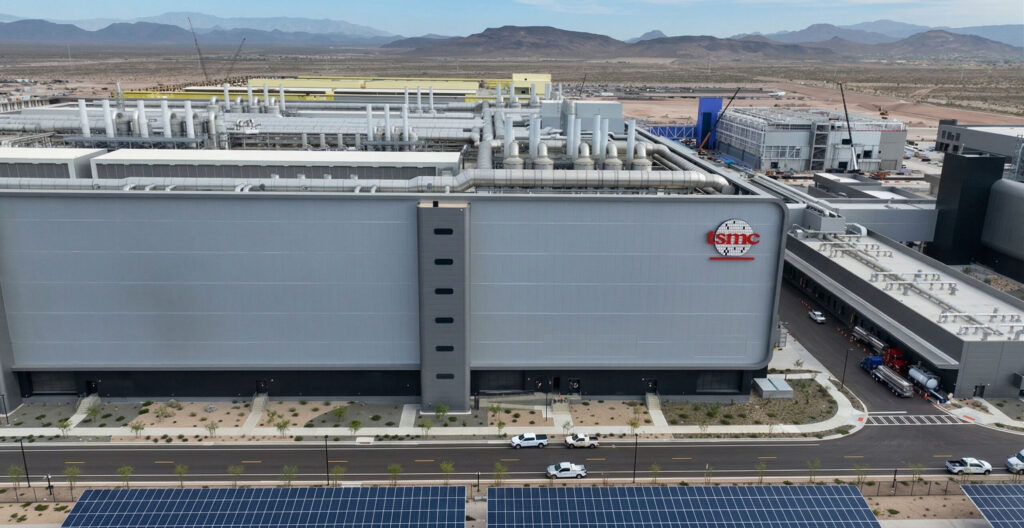
When TSMC’s Phoenix fab needs emergency components, every minute counts. At $50,000 per minute in downtime costs, semiconductor suppliers can’t afford warehouse partners who treat chip components like commodity products.
Arizona’s semiconductor boom has created a new reality: fabs demand warehouse partners who understand ESD protocols, controlled environments, and the critical importance of proximity. Most 3PLs promise semiconductor expertise but lack the infrastructure, location, and systems integration capabilities that chip supply chains actually require.
This guide breaks down what semiconductor suppliers need from warehouse partners and why geographic proximity, technical capabilities, and systems integration determine success in Arizona’s growing chip hub.
The 15-Minute Rule: Why Fab Proximity Determines Supply Chain Speed
Semiconductor fabs operate on just-in-time principles with zero tolerance for delays. When Intel Chandler needs emergency wafer processing chemicals or TSMC requires critical packaging materials, warehouse location becomes the difference between smooth operations and costly shutdowns.
The 15-minute rule isn’t arbitrary. Fab operations teams have calculated that emergency deliveries beyond this timeframe create cascade effects: production line delays, batch holds, and the dreaded fab shutdown that costs tens of thousands per minute.
Most warehouse operators underestimate this proximity requirement. They locate facilities in lower-cost industrial areas 45-60 minutes from major fabs, thinking freight savings justify longer transit times. This logic fails when emergency deliveries become routine requirements rather than rare exceptions.
Consider the real-world impact: TSMC’s Phoenix fab processes 20,000 wafer starts per month. A single component shortage can halt production lines processing hundreds of wafers simultaneously. The ripple effects extend beyond immediate downtime costs to customer delivery commitments and long-term fab efficiency metrics.
Strategic warehouse location provides competitive advantages beyond emergency response. Routine deliveries become more frequent and flexible. Inventory turns increase when suppliers can deliver smaller, more frequent shipments. Transportation costs decrease through shorter routes and reduced fuel consumption.
Dircks operates 15 minutes from TSMC and 12 minutes from Intel Chandler. Our drivers know fab receiving protocols, security requirements, and loading dock procedures. We’ve eliminated the learning curve that causes delays with generic logistics providers.
ESD Protocols That Survive Audit Season
Standard warehouses handle ESD-sensitive components like regular inventory. They use standard forklifts, concrete floors, and ambient storage conditions that destroy semiconductor components through static discharge and environmental exposure.
Semiconductor components require controlled environments that maintain precise temperature and humidity ranges. Most warehouses offer “climate-controlled” storage that fluctuates between 60-80°F with minimal humidity monitoring. These variations cause component degradation, shortened shelf life, and audit failures during supplier qualification reviews.
ESD compliance goes beyond anti-static mats and grounding straps. It requires integrated facility design with conductive flooring, grounded workstations, ionized air systems, and continuous monitoring throughout the storage and handling process.
Many suppliers discover ESD protocol failures during customer audits rather than proactive monitoring. Intel and TSMC conduct rigorous supplier facility audits that examine every aspect of component handling, from receiving dock procedures to final shipment preparation. Audit failures result in supplier disqualification and lost business relationships.
Real ESD compliance requires controlled ambient storage at 65-75°F with humidity maintained between 30-50% relative humidity. Temperature and humidity fluctuations must be logged continuously with automated alert systems for out-of-range conditions.
Our facility maintains these exact specifications throughout 700,000 square feet of storage space. AI Cargo Towers provide real-time environmental monitoring with automated alerts and continuous data logging for audit documentation.
We’ve achieved zero ESD incidents over three years of semiconductor component handling. Our grounded workstations, ionized air systems, and conductive flooring create an integrated ESD protection environment that exceeds industry requirements.
Documentation Standards That Pass Audits
Semiconductor audits examine documentation with forensic detail. Auditors want continuous temperature logs, humidity records, ESD test results, and handling procedure compliance. Generic warehouse documentation doesn’t meet these requirements.
We provide automated documentation through integrated monitoring systems. Temperature and humidity data uploads automatically to customer portals. ESD test results are logged daily with digital timestamps. Handling procedures include photographic documentation for high-value shipments.
WMS Integration Without the IT Nightmare
Semiconductor companies operate complex ERP systems that require precise inventory tracking, lot traceability, and real-time synchronization. Standard warehouse management systems can’t handle the data complexity and integration requirements of chip supply chains.
Most 3PLs promise ERP integration but lack API-first architecture. They rely on EDI transactions, batch file transfers, and manual data entry that creates delays and accuracy problems. These limitations become critical failures when semiconductor operations require real-time inventory visibility and automated reorder triggers.
SAP implementations in semiconductor companies include custom modules for lot tracking, expiration management, and compliance documentation. Warehouse management systems must integrate seamlessly with these custom configurations without requiring expensive middleware or system modifications.
Integration complexity increases with semiconductor-specific requirements: serial number tracking, environmental compliance records, supplier certification documents, and customer-specific packaging instructions. Standard WMS platforms lack the flexibility to handle these data requirements.
Traditional integration timelines span 6-8 weeks with extensive testing phases and custom development work. Semiconductor suppliers can’t afford extended integration periods that delay warehouse transitions and disrupt supply chain operations.
API-First Architecture Advantages
Our WMS platform uses API-first architecture designed for complex ERP integration. We complete SAP, Oracle, and custom semiconductor system connections in 72 hours through pre-built integration modules.
Real-time inventory synchronization eliminates data lag between warehouse operations and ERP systems. Automated reorder triggers activate when inventory levels reach predetermined thresholds. Custom reporting provides semiconductor-specific metrics including lot traceability, environmental compliance, and supplier performance data.
Integration testing happens in parallel development environments that mirror live systems. We validate data accuracy, transaction processing, and error handling before activating live connections. This approach eliminates the integration delays that disrupt semiconductor supply chain operations.
Scaling Storage as Arizona’s Chip Hub Expands
Arizona’s semiconductor expansion creates unprecedented demand for specialized storage capacity. TSMC’s $65 billion investment, Intel’s advanced packaging facility, and supporting supplier ecosystem require warehouse partners who can scale rapidly without compromising technical capabilities.
Semiconductor demand cycles create unique storage challenges. Consumer electronics drive seasonal peaks that require rapid capacity expansion. Industrial and automotive chip demand creates sustained growth requiring permanent facility expansion. Warehouse partners must accommodate both scenarios without long-term commitments that limit operational flexibility.
Most warehouse operators offer generic space allocation with standard lease terms. They can’t provide the specialized infrastructure required for semiconductor storage: controlled environments, ESD compliance, and systems integration across expanded facilities.
Rapid expansion requires more than additional square footage. New storage areas need environmental controls, ESD protection systems, and WMS integration from day one. Construction timelines and technical installations must happen simultaneously to avoid operational disruptions.
We’ve scaled semiconductor storage from 10,000 to 250,000 square feet for one client over 18 months. This expansion included dedicated clean room packaging areas, temperature-controlled receiving bays, and extended ESD protection systems throughout new facility sections.
Modular Expansion Capabilities
Our 700,000 square foot facility supports modular space allocation that adapts to changing requirements. Controlled environment systems expand into additional zones without interrupting existing operations. ESD protection extends seamlessly across facility expansions.
Flexible lease terms accommodate demand fluctuations without long-term commitments. Clients can scale up during peak seasons and reduce space during slower periods. This flexibility eliminates the fixed costs that burden semiconductor suppliers during market downturns.
New facility sections integrate automatically with existing WMS and environmental monitoring systems. Inventory management, order processing, and compliance documentation continue without disruption during expansion periods.
Beyond Storage: Partnership for Complex Supply Chains
Semiconductor supply chains require warehouse partners who understand the complete ecosystem: fab requirements, supplier relationships, customer expectations, and regulatory compliance. Generic 3PLs treat semiconductor components as high-value commodity products without understanding the technical and operational complexities involved.
Successful semiconductor warehousing requires deep industry knowledge: understanding why certain components require nitrogen storage, knowing which packaging materials cause ESD damage, and recognizing when environmental conditions affect component performance.
Partnership extends beyond basic storage and fulfillment. Semiconductor suppliers need warehouse operators who participate in continuous improvement initiatives, supplier development programs, and customer relationship management. This collaboration creates competitive advantages that commodity storage providers cannot deliver.
Consider vendor-managed inventory programs where warehouse operators monitor usage patterns, predict reorder requirements, and coordinate with multiple suppliers to maintain optimal inventory levels. These programs require industry expertise and systems capabilities that generic warehouses lack.
Practical Steps for Semiconductor Warehouse Selection
Evaluate potential warehouse partners using semiconductor-specific criteria. Verify ESD compliance through facility audits rather than certification documents. Test WMS integration capabilities with your actual ERP configuration. Confirm proximity to target fabs through actual drive times during peak traffic periods.
Request references from current semiconductor clients and verify their satisfaction with technical capabilities, not just basic service levels. Examine the warehouse operator’s investment in semiconductor-specific infrastructure and staff training.
Red flags include generic climate control without specific temperature and humidity ranges, standard material handling equipment without ESD protection, and WMS systems that require extensive customization for semiconductor requirements.
Arizona’s semiconductor boom creates opportunities for suppliers who choose warehouse partners strategically. Fab proximity, technical capabilities, and systems integration determine supply chain success in this rapidly expanding market. The warehouse partners you select today will either enable or constrain your growth as Arizona becomes America’s chip manufacturing center.
Brian Mayer | Semiconductor Logistics Specialist, Dircks Moving & Logistics
Related Dircks Logistics services
- Semiconductor logistics for your industry
- Phoenix 3PL services
- Warehousing in Phoenix
- Cross-docking in Phoenix
Keep reading
- Scaling Storage: The Semiconductor Supply Chain's New Reality
- Arizona Logistics Real Estate Boom: Chip Maker Impact
Need warehousing, fulfillment, or distribution in Phoenix or Houston? Request a quote or call (602) 267-9401.
Frequently Asked Questions
What does fab proximity actually get a supplier?
Shorter transit, faster response to pull signals, and less inventory sitting on the road.
Do you handle ESD-sensitive components?
Yes. Dircks uses ESD-aware handling procedures and segregated storage zones for sensitive components.
Can Dircks connect to our ERP?
Yes. The warehouse management system is API-ready and integrates with SAP, Oracle, NetSuite and other platforms.
