Arizona's Chip Boom Needs Semiconductor 3PL Phoenix Solutions
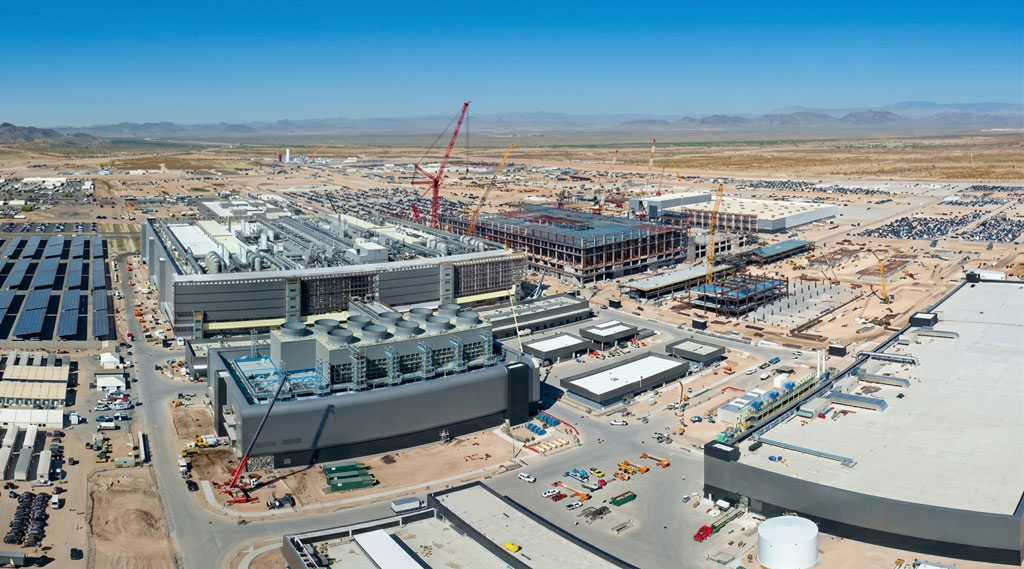
Arizona’s semiconductor transformation is rewriting supply chain rules across the Southwest. With over $100 billion in chip manufacturing investments flowing into the Phoenix metro area, operations VPs are discovering that traditional 3PLs simply can’t handle the precision and proximity requirements of modern semiconductor operations.
TSMC’s $40 billion Phoenix fab complex and Intel’s $20 billion expansion have created an entirely new logistics ecosystem. But here’s what most supply chain leaders don’t realize: the same 3PL that works for consumer goods or automotive parts will fail catastrophically with semiconductor components. Temperature fluctuations of just a few degrees can destroy millions in sensitive chips. ERP integration gaps create visibility black holes that semiconductor operations cannot tolerate.
The solution isn’t just finding any Phoenix-area warehouse space. Arizona’s chip boom demands a fundamentally different kind of 3PL—what we call a bridge 3PL. This means purpose-built facilities with fab-grade environmental controls, strategic fab proximity, and API-first systems integration that seamlessly connects with semiconductor ERPs.
Our 700,000 square foot facility sits 15 minutes from both TSMC and Intel’s major Arizona fabs, maintaining controlled ambient conditions year-round while providing the real-time visibility that semiconductor supply chains demand. This isn’t coincidence—it’s by design for an industry where proximity and precision determine competitive advantage.
Why Standard 3PLs Fail Semiconductor Operations
The semiconductor industry’s precision requirements expose every weakness in traditional 3PL operations. Most logistics providers built their capabilities around consumer goods, automotive parts, or industrial equipment—products that can tolerate temperature swings, humidity variations, and systems integration gaps that would devastate semiconductor components.
Temperature Control Beyond Basic Climate
Arizona’s extreme heat makes environmental control critical for semiconductor logistics. Standard warehouses might maintain “climate control” in broad temperature ranges—perhaps 60-85°F depending on season and occupancy. For semiconductor components, this variation is unacceptable. Sensitive chips require consistent 65-75°F controlled ambient conditions with minimal humidity fluctuation.
We’ve seen operations teams discover temperature logging showing their previous 3PL had 15-degree temperature swings during summer months. When you’re handling components worth $50,000 per pallet, temperature precision isn’t optional—it’s fundamental to protecting millions in inventory value.
ERP Integration Gaps Create Visibility Black Holes
Semiconductor operations run on real-time data. When components move from fab to packaging facility to test center, every handoff must be tracked with precision. Traditional 3PLs often operate with basic WMS systems that batch-update every few hours or require manual data entry for complex SKU information.
This creates what we call “visibility black holes”—periods where operations teams have no real-time insight into inventory location, condition, or movement status. In semiconductor supply chains running just-in-time delivery schedules worth millions per day, visibility gaps translate directly to operational risk and potential line shutdowns.
Distance from Fabs Compounds Risk
Location matters differently in semiconductor logistics than in other industries. A consumer goods 3PL might operate efficiently from 50 miles outside Phoenix to minimize real estate costs. But semiconductor components often move multiple times per week between fabs, test facilities, and packaging centers. Distance creates compounding risk—longer transit times, additional temperature exposure, and reduced flexibility for urgent requirements.
The math is simple: 15 minutes from fab to 3PL enables same-day response for urgent requirements. 45 minutes means overnight delays become standard, and emergency requirements become operational nightmares.
The Bridge 3PL Solution for Arizona’s Chip Ecosystem
Arizona’s semiconductor boom requires logistics partners who understand that chip manufacturing operates fundamentally differently from other industries. Success demands what we call a “bridge 3PL”—a logistics operation designed specifically to bridge the gap between fab-grade precision and scalable supply chain efficiency.
Purpose-Built for Semiconductor Precision
Our Phoenix facility was designed from the ground up for semiconductor logistics requirements. This means 700,000 square feet of controlled ambient storage maintaining 65-75°F year-round, with humidity controls that match the environmental standards semiconductor manufacturers expect in their own facilities.
But precision extends beyond just temperature control. Our facility features specialized handling equipment designed for sensitive electronic components, clean room protocols for high-value inventory, and segregated storage zones that prevent cross-contamination between different semiconductor product lines.
The difference is immediately apparent to operations teams accustomed to traditional 3PLs. Instead of adapting semiconductor requirements to warehouse capabilities, we built warehouse capabilities around semiconductor requirements.
Strategic Fab Proximity with Operational Excellence
Location strategy for semiconductor 3PL operations requires balancing proximity with operational capability. Too close to fabs and you’re limited by expensive real estate and restricted expansion options. Too far and you lose the just-in-time responsiveness that competitive semiconductor operations demand.
Our 15-minute proximity to TSMC’s Phoenix fab and Intel’s Chandler facilities represents the sweet spot for semiconductor logistics. Close enough for same-day response to urgent requirements, far enough to provide cost-effective scalable operations with room for customer growth.
This proximity advantage becomes critical during ramp periods when semiconductor manufacturers scale production rapidly. Instead of logistics becoming a constraint on growth, our fab-adjacent positioning enables operations teams to scale confidently knowing their supply chain can respond at semiconductor speed.
API-First WMS Integration
Semiconductor operations require real-time data integration that goes far beyond basic inventory tracking. Our AI Cargo Towers platform provides API-first connectivity that seamlessly integrates with semiconductor ERPs, providing real-time visibility into inventory levels, environmental conditions, and movement status.
This means operations teams can monitor their inventory through their existing ERP dashboards without learning new systems or accepting data delays. Temperature logging, humidity tracking, and movement history all flow directly into semiconductor ERP systems for complete supply chain visibility.
The integration extends to proactive alerts for environmental excursions, automated reorder triggers based on consumption patterns, and real-time coordination with fab production schedules. It’s the difference between a 3PL that stores semiconductor components and a bridge 3PL that integrates into semiconductor operations.
Practical Implementation for Semiconductor Supply Chains
Moving from traditional 3PL operations to specialized semiconductor logistics requires careful planning and execution. Operations teams need to evaluate current capabilities, identify gaps, and implement solutions that minimize disruption while maximizing precision and visibility.
Assessing Current 3PL Capabilities
Start by auditing your current 3PL’s environmental controls, systems integration, and proximity to your key facilities. Request detailed temperature logging data for the past six months—many operations teams discover significant temperature variations they weren’t aware of. Evaluate your ERP integration: Are you getting real-time data or batch updates? Can you monitor inventory status through your existing systems?
Distance analysis matters more in semiconductor than other industries. Calculate actual transit times from your 3PL to your key facilities during different traffic conditions. Factor in the cost of expedited shipping when standard transit times don’t meet production requirements.
What to Look for in Semiconductor 3PL Partners
Environmental precision should be non-negotiable. Look for 3PLs that can demonstrate consistent controlled ambient conditions with detailed logging and monitoring. Ask for references from other semiconductor customers and request facility tours that show environmental control systems in operation.
Systems integration capability is equally critical. Evaluate the 3PL’s WMS platform for API compatibility with your ERP. Can they provide real-time data feeds? Do they support the specific data fields and tracking requirements your semiconductor operations need? Basic integration isn’t enough—you need seamless, real-time connectivity.
Proximity planning requires understanding your operational patterns. If you move inventory multiple times per week, 15-20 minute proximity becomes essential. If you primarily store components for monthly shipments, you might accept longer distances for cost savings.
Red Flags in Semiconductor 3PL Selection
Avoid 3PLs that treat semiconductor logistics like any other industry. If they can’t demonstrate specific semiconductor experience or don’t understand why controlled ambient precision matters, they’re not the right partner for your Arizona operations.
Systems integration capability often reveals 3PL sophistication. Be wary of providers who rely on manual data entry, batch updates, or proprietary systems that don’t integrate with your ERP. Semiconductor operations need real-time data—anything less creates operational risk.
Distance compromises are particularly dangerous in semiconductor logistics. A 3PL that’s 45 minutes from your fab might offer lower rates, but the hidden costs of expedited shipping, reduced flexibility, and extended transit risks often exceed the apparent savings.
Scaling with Arizona’s Semiconductor Growth
Arizona’s chip ecosystem continues expanding rapidly, with additional fab announcements expected throughout 2026 and 2027. Operations teams need 3PL partners who can scale with this growth while maintaining the precision and proximity that semiconductor operations demand.
The key is finding logistics partners who understand that semiconductor scaling requires consistent precision regardless of volume. Whether you’re managing 10,000 square feet of components or 100,000 square feet, environmental controls must remain constant at 65-75°F. Systems integration must maintain real-time connectivity. Proximity to fabs must stay within operational requirements.
Our approach focuses on flexible space allocation within consistent operational parameters. As semiconductor customers scale from startup operations to enterprise volume, they maintain the same controlled ambient precision and systems integration capabilities. The only thing that changes is the square footage allocated—not the fundamental logistics capabilities.
This scaling approach has proven essential for semiconductor operations in other markets. Companies that partner with commodity 3PLs often face capability constraints as they grow, forcing expensive migrations to new providers. Bridge 3PL partnerships eliminate this constraint by providing semiconductor-grade capabilities from initial startup through enterprise scale.
Arizona’s semiconductor boom represents a once-in-a-generation opportunity for operations teams to build supply chains that provide true competitive advantage. But capturing this opportunity requires logistics partners who understand that semiconductor operations demand fundamentally different capabilities than traditional industries.
The future belongs to semiconductor companies who recognize that logistics precision and fab proximity are strategic advantages, not just operational requirements. As Arizona’s chip ecosystem continues expanding, the operations teams who partner with specialized bridge 3PLs will be positioned to scale with the boom while maintaining the precision that semiconductor success demands.
Brian Mayer | Semiconductor Logistics Specialist, Dircks Moving & Logistics